Journal · 2026-10-02
Setting up a home gym in Brisbane: a trainer's guide
Many beautiful home gyms in Brisbane are barely used. The difference between a room that gathers dust and one you use three times a week usually comes down to a few decisions made at the start.
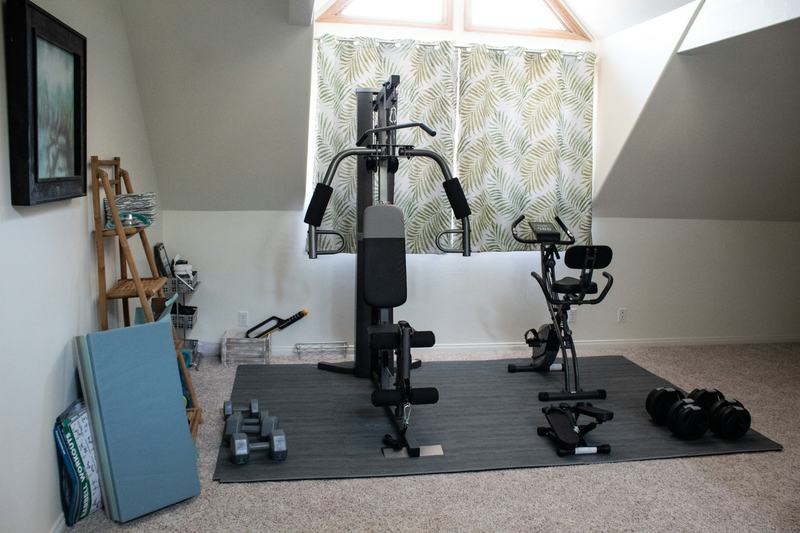
Start with your goals, not a catalogue
Decide what you want training to do for you first: strength, fat loss, mobility, sport, or simply staying capable. The equipment list follows from there, and it is usually shorter than expected.
The essentials
For most people: a set of adjustable dumbbells, two or three kettlebells, a bench, a suspension trainer, resistance bands and good flooring. Add a squat rack and barbell if heavier strength work is a priority, and one piece of cardio equipment you genuinely enjoy.
Choosing the space
Garages, spare rooms, studios and the area under a raised house all work. Look for at least two by three metres of clear floor, enough height to press overhead, and a spot you walk past daily so the room stays part of your routine.
Flooring and noise
Rubber gym flooring protects timber floors and reduces noise. In apartments, use thicker mats and avoid dropping weights. Under house concrete slabs are ideal for heavier work.
Climate
Brisbane summers are hot and humid. Airflow matters as much as equipment: a ceiling fan, a pedestal fan or air conditioning makes the difference between a room you use and one you avoid. Keep rubber and steel out of direct sun to protect them.
Make it easy to use
Store equipment so it is visible and quick to grab, keep a simple plan on the wall, and schedule sessions like meetings. A trainer who comes to your home can help you use the room well and suggest additions only when they genuinely help.